When it comes to losing weight, one question keeps coming up again and again—cardio vs strength training. Some people spend hours running or doing cardio workouts, believing it is the fastest way to burn fat. Others focus on lifting weights and claim that strength training is the real secret behind fat loss.
This confusion is completely normal, especially for beginners. If your goal is to understand cardio vs strength training for fat loss, you need to look beyond common myths and focus on what actually works in real life. The truth is not about choosing one method—it is about understanding how both work together.
In this detailed guide, you will learn how fat loss really works, the difference between cardio and strength training, and how you can use fat burning exercises at home to achieve sustainable results.
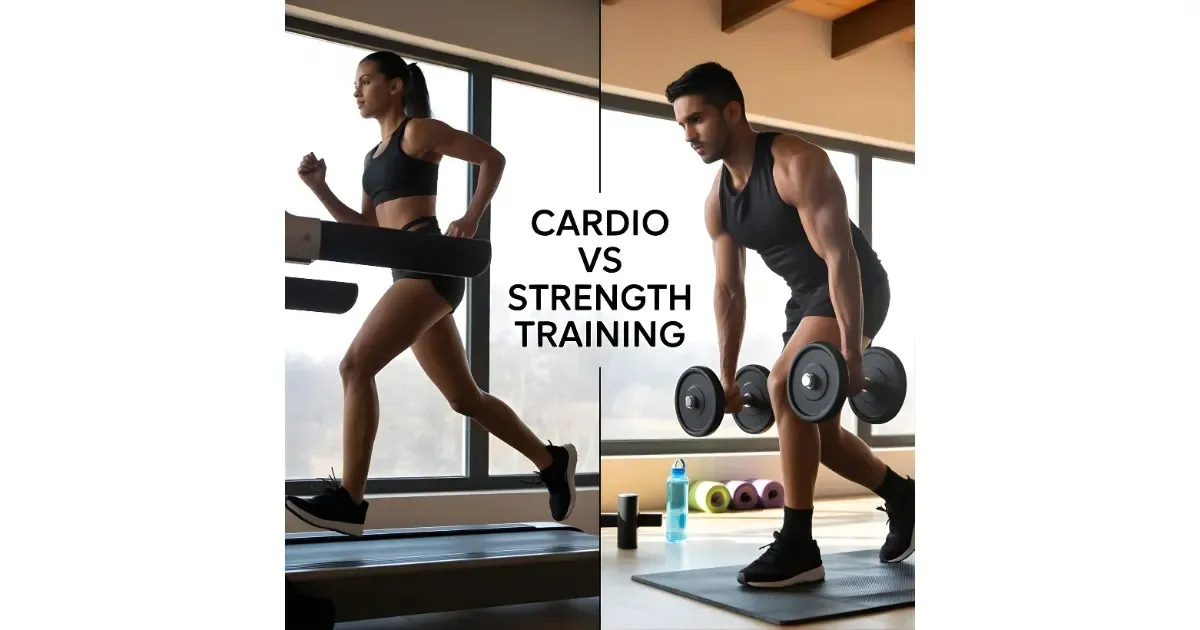
How Fat Loss Actually Works
Before comparing cardio vs strength training, it is important to understand the foundation of fat loss. Your body loses fat when you burn more calories than you consume. This is known as a calorie deficit.
However, fat loss is not just about reducing body weight. Many people lose weight quickly but end up losing muscle as well. This leads to a slower metabolism and makes it harder to maintain results.
A smart fat loss strategy focuses on losing fat while preserving muscle. This is where the discussion of cardio vs strength training for fat loss becomes important.
What Is Cardio Training?
Cardio training includes exercises that increase your heart rate and keep it elevated for a certain period. Activities like running, cycling, brisk walking, and skipping are common examples.
Even simple fat burning exercises at home , such as jumping jacks, high knees, and burpees, fall under cardio training. These exercises are easy to perform and do not require any equipment.
How Cardio Helps in Fat Loss
Cardio is effective because it burns calories during the workout. The higher the intensity, the more calories you burn. This makes cardio a great option for people who want quick results in the initial stages.
Cardio also improves heart health, increases stamina, and helps you stay active throughout the day. When your overall activity level increases, your total calorie burn also improves.
This is why many people prefer cardio when thinking about cardio vs strength training for fat loss.

Limitations of Cardio
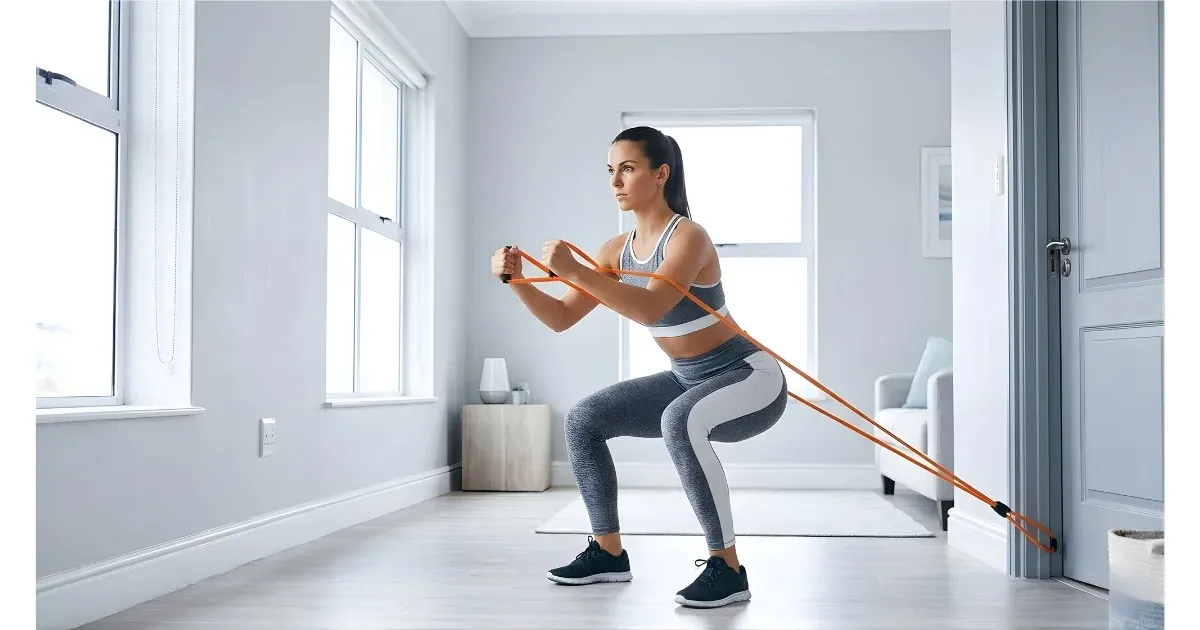
Although cardio is helpful, relying only on it can slow down your progress over time. One of the main drawbacks is that calorie burning mostly happens during the workout. Once you stop exercising, your calorie burn drops quickly.
Another issue is that your body adapts to repetitive cardio routines. If you keep doing the same workout, your body becomes efficient and burns fewer calories.
More importantly, too much cardio without strength training can lead to muscle loss. This reduces your metabolism and makes long-term fat loss more difficult.
What Is Strength Training?
Strength training involves exercises that build muscle using resistance. This resistance can come from weights or your own body weight.
You can perform effective strength workouts using fat burning exercises at home like push-ups, squats, lunges, and planks. These exercises not only build strength but also improve overall fitness.
How Strength Training Supports Fat Loss
Strength training plays a major role in fat loss because it helps build lean muscle. Muscle tissue burns more calories than fat, even when your body is at rest.
This means your body continues to burn calories throughout the day, not just during workouts. This effect makes strength training extremely valuable in the discussion of cardio vs strength training for fat loss.
Another important benefit is the afterburn effect. After a strength workout, your body keeps burning calories while repairing muscles. This leads to higher overall calorie expenditure.

Limitations of Strength Training
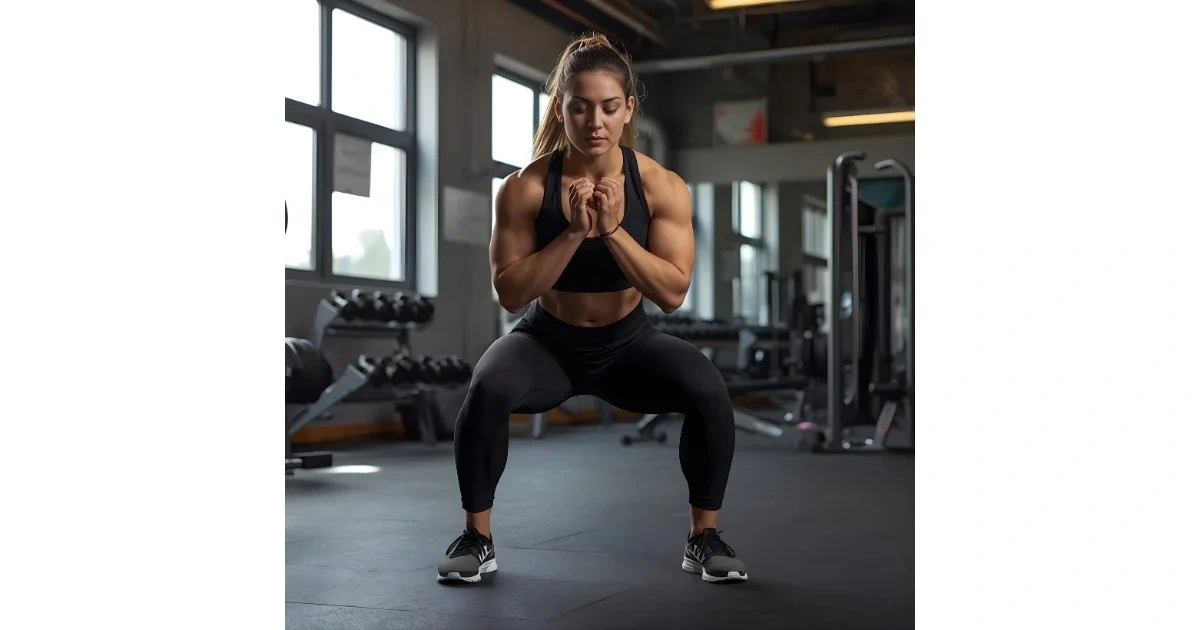
Strong training may not burn as many calories during the workout as cardio, especially if you take longer rest periods. Beginners may also find it slightly challenging to learn proper form.
However, once you build a routine and maintain consistency, strength training becomes one of the most effective tools for fat loss.
Cardio vs Strength Training for Fat Loss : A Clear Comparison
When comparing cardio vs strength training for fat loss, you need to consider both short-term and long-term effects.
Cardio is effective for burning calories quickly. It helps you create a calorie deficit and can lead to faster initial weight loss. However, its impact is mostly limited to the workout duration.
Strength training, on the other hand, improves your metabolism and helps you burn calories even at rest. It also ensures that you lose fat instead of muscle.
If you rely only on cardio, you may lose weight but not achieve a toned body. If you focus only on strength training without enough activity, your calorie burn may not be sufficient.
This is why the best approach is not choosing one over the other.

Why Combining Cardio and Strength
Training Works Best
The most effective fat loss strategy includes both cardio and strength training. This combination allows you to maximize results.
Cardio helps you burn calories quickly, while strength training ensures that your metabolism stays high. Together, they create a balanced system that supports sustainable fat loss.
For example, you can include strength training sessions three to four times a week and add cardio sessions on alternate days. You can also combine both by performing circuit workouts using fat burning exercises at home.
This balanced approach gives you the best results in the long run.
Best Fat Burning Exercises at Home
You do not need a gym to lose fat. You can achieve excellent results by performing simple fat burning exercises at home.
Cardio-based exercises like jumping jacks, high knees, burpees, and mountain climbers help you burn calories quickly. These exercises increase your heart rate and improve endurance.
At the same time, strength-based exercises like squats, push-ups, lunges, and planks help build muscle. These exercises improve strength and support long-term fat loss.
When you combine these exercises into a single routine, you get the benefits of both cardio vs strength training for fat loss.


Creating a Simple Weekly Workout Plan
A structured plan helps you stay consistent and avoid confusion. You can start your week with upper body strength training, followed by a cardio session the next day.
Then, focus on lower body strength training and take a rest or recovery day. Later in the week, include a full-body workout using fat burning exercises at home and finish with a cardio session.
This routine ensures that you are effectively using both cardio and strength training for fat loss.
Common Mistakes to Avoid
Many people struggle with fat loss because they make simple mistakes. One common mistake is relying only on cardio and ignoring strength training.
Another mistake is inconsistency. You cannot expect results if you skip workouts or change routines frequently.
Some people also ignore recovery. Without proper rest, your body cannot repair muscles or maintain performance.
Finally, ignoring diet can completely stop your progress. Exercise alone is not enough if your calorie intake is too high.
The Role of Diet in Fat Loss
Diet plays a crucial role in fat loss. You need to maintain a calorie deficit while consuming enough nutrients.
Protein is especially important because it helps preserve muscle and keeps you full for longer. Whole foods like vegetables, fruits, and healthy fats should be part of your daily meals.
When you combine a proper diet with cardio vs strength training for fat loss, you create a powerful system that delivers real results.

Final Conclusion
The debate around cardio vs strength training often creates confusion, but the answer is simple. Both methods are important, and each plays a unique role in fat loss.
Cardio helps you burn calories and improves endurance. Strength training builds muscle and boosts metabolism. When you combine both, you create a balanced and effective fat loss plan.
Even if you prefer working out at home, you can achieve great results using simple fat burning exercises at home. The key is consistency, proper planning, and a long-term mindset.
Fat loss is not about quick results. It is about building habits that you can follow every day. When you stay consistent and use the right approach, success becomes inevitable.