If you follow a vegetarian diet or are planning to switch to one, you have probably heard this question many times: “Where do you get your protein from?” This question has been repeated so often that many people start believing vegetarian diets are naturally low in protein. In reality, that is not true at all. There are plenty of powerful and effective protein sources for vegetarians that can easily fulfill daily nutritional needs when used correctly.
The real issue is not the lack of protein, but the lack of awareness about the right sources of protein for vegetarians and how to include them in everyday meals. Once you understand this, maintaining a high-protein vegetarian diet becomes simple, practical, and sustainable.
In this detailed guide, you will learn about the best protein sources for vegetarians, how much protein your body actually needs, how to combine foods for maximum benefit, and how to use a vegetarian protein sources chart to plan your daily meals effectively.
Why Protein Is Essential in a Vegetarian Diet
Protein plays a central role in your body’s overall functioning. It helps build muscles, repair tissues, strengthen immunity, and support the production of enzymes and hormones. Every cell in your body depends on protein in some way.
When your diet lacks sufficient protein, your body begins to show clear signs. You may feel tired more often, notice a drop in strength, or even experience muscle loss over time. This is why including the right protein sources for vegetarians is not just important—it is necessary for long-term health.
A well-planned vegetarian diet can easily provide enough protein. The key lies in choosing the right foods and spreading your intake throughout the day instead of relying on a single heavy meal.
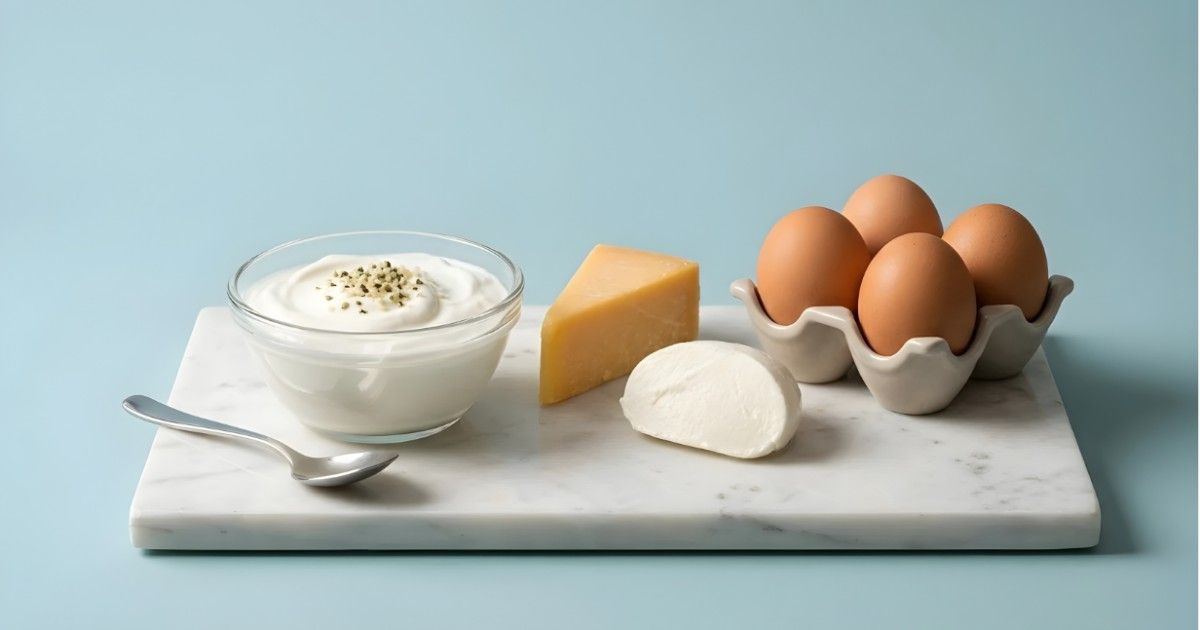
How Much Protein Do You Really Need?
Understanding your protein requirement helps you make better food choices. Your daily protein intake depends on your body weight, lifestyle, and fitness goals.
For a person with a sedentary lifestyle, the requirement is around 0.8 grams of protein per kilogram of body weight. However, if you are physically active, trying to lose weight, or aiming to build muscle, your requirement increases to around 1.2 to 1.6 grams per kilogram.
For example, if your body weight is 70 kg, your daily protein intake should fall between 56 grams and 112 grams. This may sound like a lot at first, but when you include multiple sources of protein for vegetarians in your meals, it becomes quite achievable.

Understanding Protein Quality in Vegetarian Foods
One of the most common misconceptions about vegetarian diets is that they do not provide “complete protein.” Protein is made up of amino acids, and your body needs nine essential amino acids from food.
Many plant-based foods do not contain all these amino acids in one place. However, this does not mean vegetarian diets are incomplete. When you combine different protein sources for vegetarians, you naturally create a complete amino acid profile.
For instance, eating dal with rice or roti with paneer provides a balanced combination of amino acids. Traditional Indian meals already follow this pattern, which makes the meal nutritionally effective.
Instead of focusing on a single food, focus on variety. That is the real secret to getting enough protein from vegetarian sources.
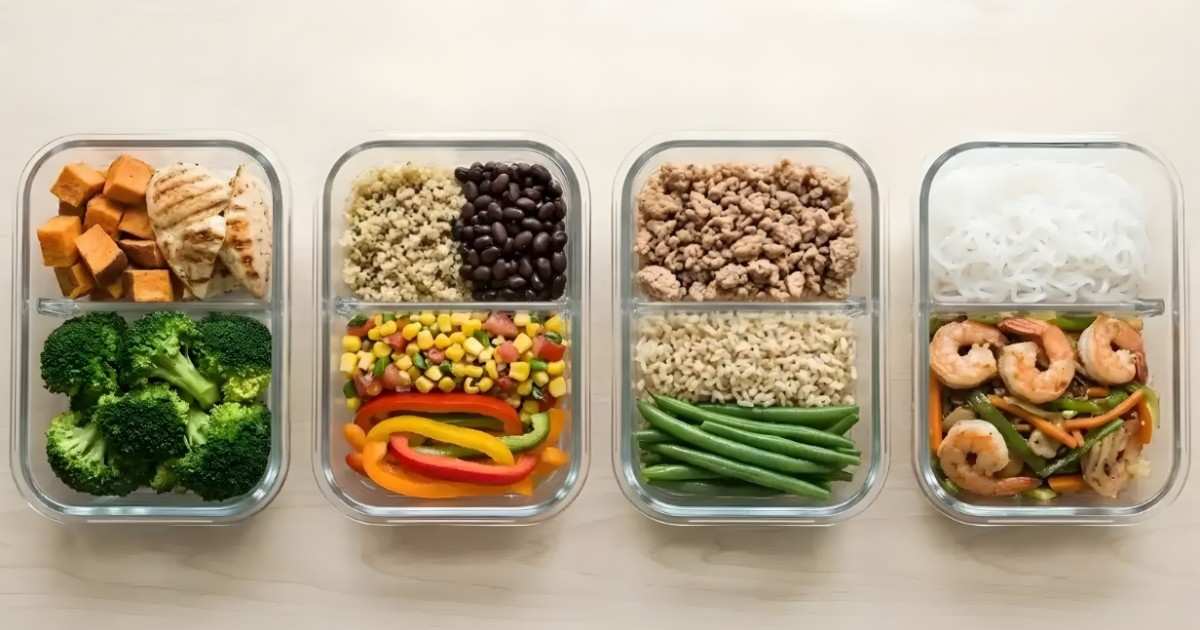
Best Protein Sources for Vegetarians You Should Include
Now let’s explore the most effective and widely available protein sources for vegetarians that you can include in your daily routine.
Lentils (Dal): The Foundation of Vegetarian Protein
Lentils are one of the most reliable and commonly used sources of protein for vegetarians. They are affordable, easy to cook, and highly nutritious.
A single cup of cooked lentils provides around 15 to 18 grams of protein. In addition to protein, lentils are rich in fiber, iron, and essential nutrients that support digestion and overall health.
When you combine lentils with rice or roti, you create a balanced and complete meal. This is why dal remais a staple in most vegetarian households.
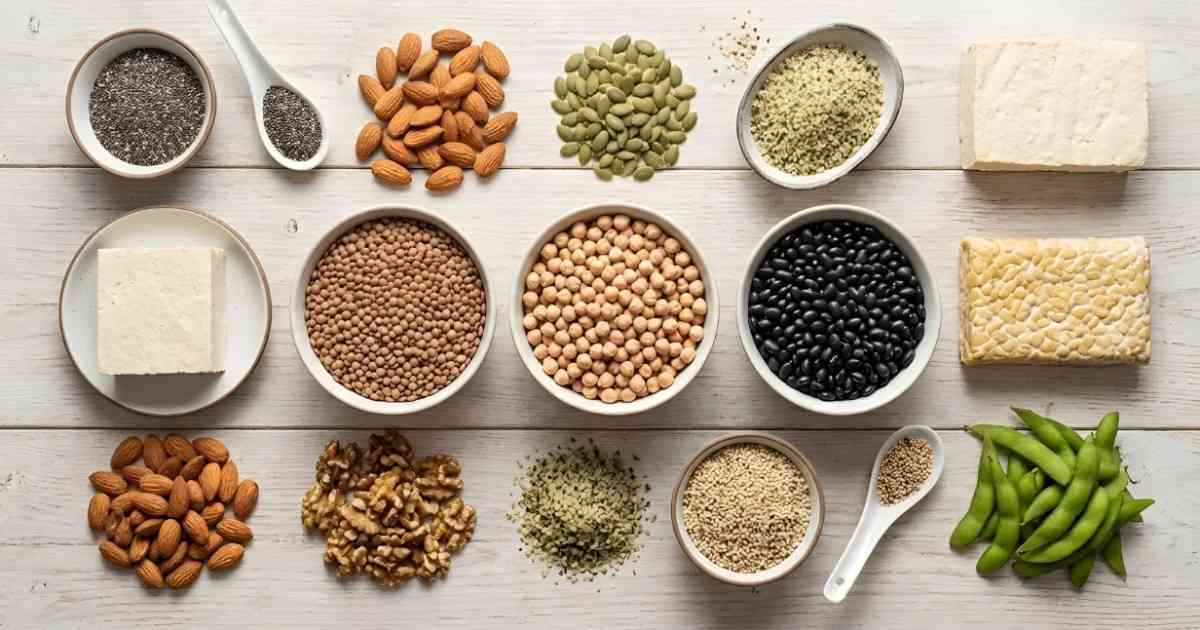
Chickpeas (Chana): A Perfect Combination of Protein and Energy
Chickpeas are another excellent option among the best protein sources for vegetarians. They are filling, nutritious, and extremely versatile.
One cup of cooked chickpeas contains around 15 grams of protein. They also provide complex carbohydrates, which help maintain steady energy levels throughout the day.
You can include chickpeas in your diet through curries, salads, or even roasted snacks. This flexibility makes them easy to consume regularly.
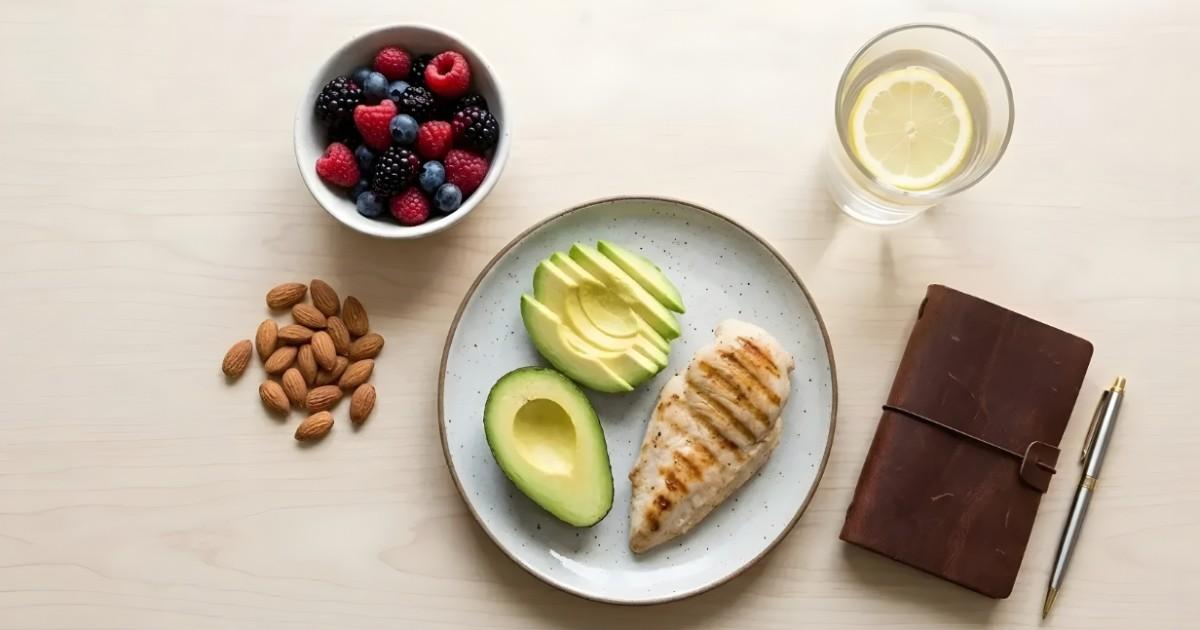
Paneer : A High-Quality Protein Source
Paneer is one of the most popular and effective protein sources for vegetarians, especially in Indian diets. It provides high-quality protein that supports muscle growth and recovery.
A 100-gram serving of paneer contains around 18 to 20 grams of protein. It also provides calcium, which strengthens bones and teeth.
Paneer can be included in various meals, from breakfast to dinner, making it one of the easiest ways to increase protein intake.
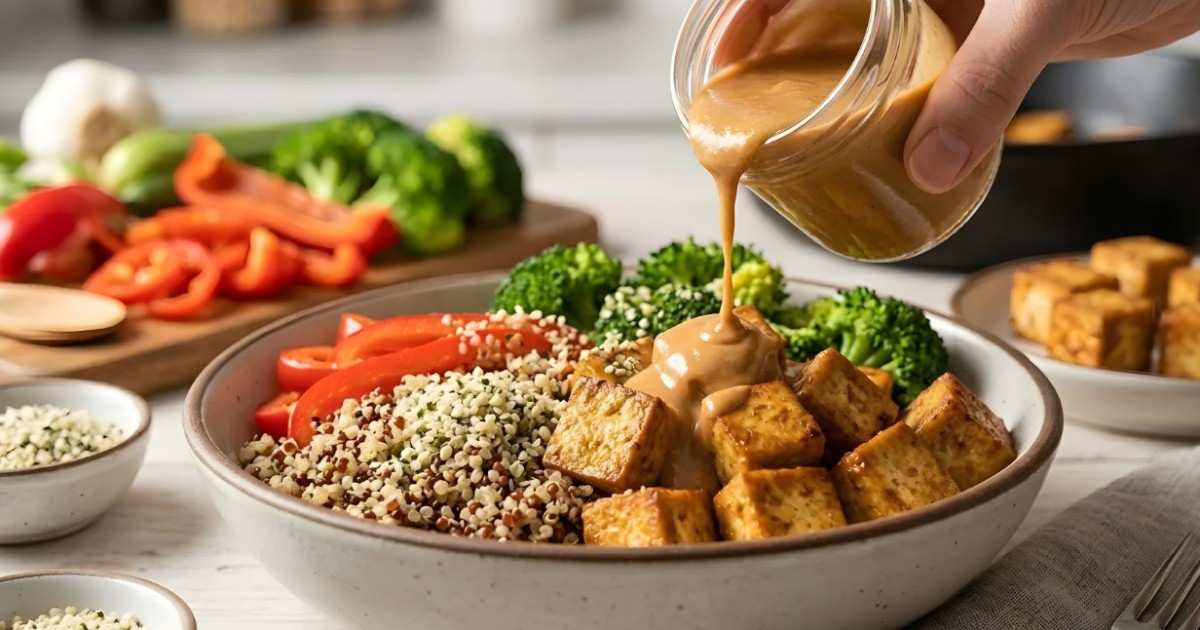
Milk and Curd: Everyday Protein Boosters
Milk and curd are simple yet powerful sources of protein for vegetarians. They are easy to include in daily meals and provide additional health benefits.
A glass of milk contains about 8 grams of protein, while a bowl of curd provides around 10 to 12 grams. These foods also support gut health and improve digestion.
Adding milk to your breakfast or consuming curd with lunch can significantly improve your protein intake without major dietary changes.

Soy Products: The Most Powerful Plant Protein
Soy-based foods are among the most effective protein sources for vegetarians because they contain all essential amino acids.
Soybeans, tofu, and soy chunks are extremely rich in protein. One cup of cooked soybeans provides up to 28 grams of protein, making it one of the highest protein vegetarian foods available.
For those who are serious about fitness or muscle building, soy products can play a major role in meeting protein requirements.
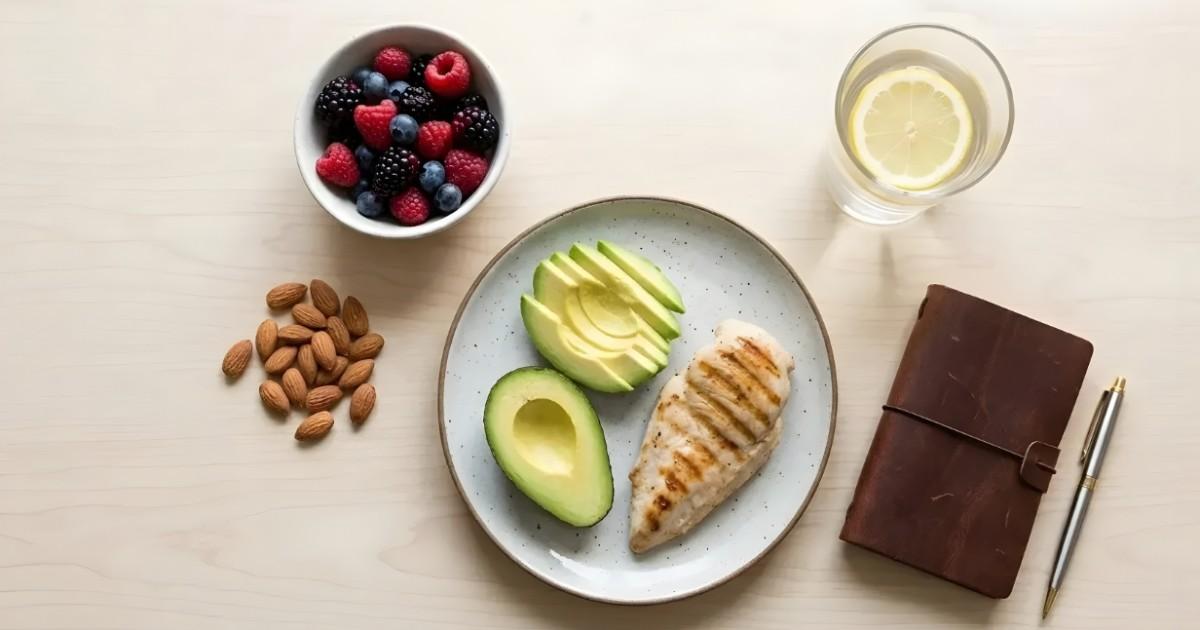
Nuts and Seeds: Small Foods with Big Benefits
Nuts and seeds are compact but highly nutritious sources of protein for vegetarians. They also provide healthy fats, which are essential for overall health.
Almonds, pecans, chia seeds, and pumpkin seeds are excellent options. A handful of almonds provides around 6 grams of protein, while peanuts offer even more.
These foods are perfect for snacking and can easily be added to your daily diet.
Whole Grains: The Overlooked Protein Source
Whole grains like oats, brown rice, and whole wheat are often ignored as protein sources for vegetarians, but they contribute significantly to daily intake.
Oats provide around 10 grams of protein per cup. When combined with milk and nuts, they become a high-protein meal.
Whole grains also provide fiber, which helps keep you full and supports digestion.
Vegetarian Protein Sources Chart
To make meal planning easier, here is a practical vegetarian protein sources chart that you can use in your daily routine:
Food Item
Serving Size
Protein Content
Lentils (Dal)
1 cup cooked
15–18g
Chickpeas
1 cup cooked
15g
Paneer
100g
18–20g
Milk
1 glass
8g
Curd
1 cup
10–12g
Soybeans
1 cup cooked
25–28g
Tofu
100g
10–12g
Oats
1 cup
10g
Almonds
28g
6g
Peanuts
100g
25g
This vegetarian protein sources chart helps you understand how different foods contribute to your daily protein intake. By combining these foods, you can easily meet your protein goals.
How to Build a Balanced High-Protein Vegetarian Diet
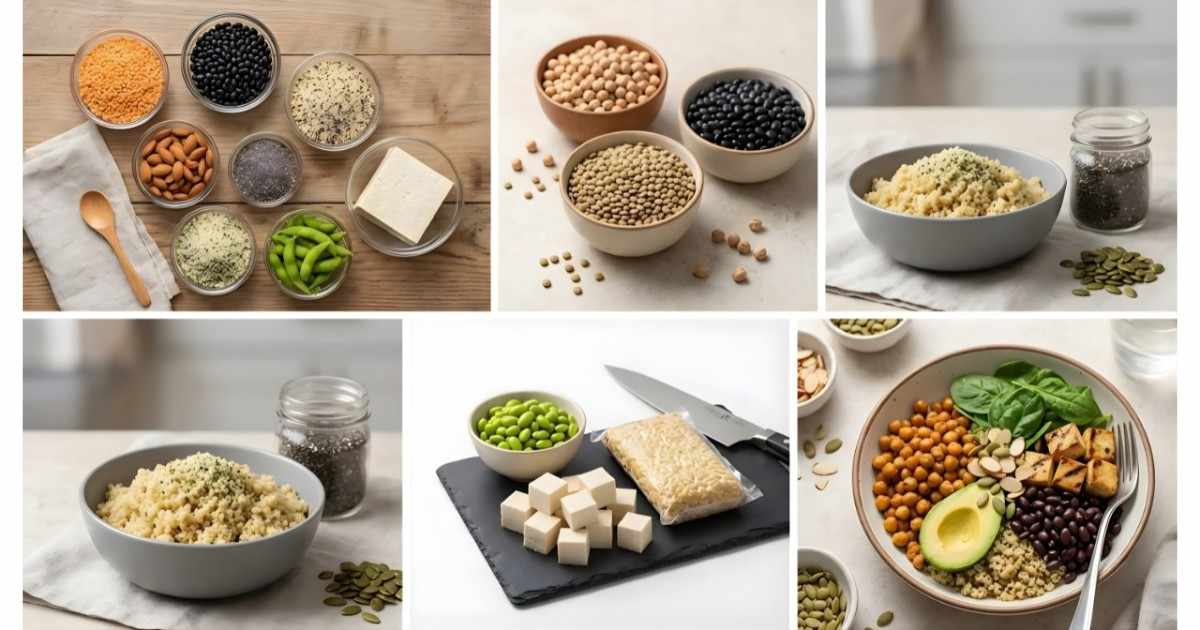
Building a high-protein diet does not require complicated planning. You simply need to include different proteins in sources for vegetarians in each meal.
Start your day with a protein-rich breakfast such as oats with milk and nuts. For lunch, include dal, roti, and paneer or soy-based dishes. In the evening, choose snacks like roasted chana or peanuts instead of processed foods. Dinner can include vegetables, tofu, and whole grains.
When you spread your protein intake across the day, your body absorbs it more efficiently.
Common Mistakes to Avoid
Many vegetarians believe they are consuming enough protein, but they often make simple mistakes. One common mistakeisrelying too heavily on carbohydrates like rice and roti without adding protein-rich foods.
Another mistake is not including variety. Eating the same food every day limits your intake of different amino acids. You should include multiple sources of protein for vegetarians to maintain balance.
Skipping meals or avoiding dairy without proper alternatives can also reduce your protein intake.

Final Thoughts
A vegetarian diet does not limit your protein intake—it simply requires smarter choices. There are numerous protein sources for vegetarians that can help you meet your daily needs without relying on animal products.
By including a variety of foods such as lentils, paneer, soy products, nuts, and whole grains, you can easily build a balanced and protein-rich diet. The key is consistency, variety, and proper planning.
Use the vegetarian protein sources chart as a guide, and focus on combining different sources of protein for vegetarians throughout the day. When you follow this approach, you will not only meet your protein requirements but also improve your overall health in a sustainable way.
In the end, good nutrition is not about restriction—it is about understanding your body and making informed choices every day.